


Understanding Luck in Casino Games
Luck plays a fundamental role in casino gaming, influencing the outcomes of many popular games. In games of chance, such as slots or roulette, the players have little to no control over the results. These games rely on random number generators or spinning wheels, which means that outcomes are unpredictable and solely dependent on luck. For instance, hitting a jackpot on a slot machine often comes down to pure fortune, with the player having no input in determining when the winning combination may appear, making platforms like 1win a popular choice among enthusiasts looking for thrilling experiences.
Even the most seasoned gamblers will acknowledge luck’s dominance in games like baccarat or craps. While strategy can enhance a player’s experience, the actual outcomes are primarily due to chance. A player might devise strategies to help them budget their bets or manage their time, but they cannot influence the randomness inherent to the game itself. This unpredictability is a significant part of what attracts players to these types of games, creating excitement and anticipation with every spin or roll.
Furthermore, the impact of luck extends beyond just individual bets. A player may experience streaks of good luck or bad luck, which can heavily influence their gaming session. This rollercoaster effect creates a dynamic atmosphere in casinos where players can shift from winning to losing in a matter of moments. It is this element of chance that keeps many players returning, hoping that the next round might lead to sudden fortune.
The Influence of Skill in Strategy-Based Games
In contrast to luck-oriented games, skills play a significant role in certain casino games, particularly in card games like poker and blackjack. Here, a player’s knowledge, experience, and strategic thinking can substantially impact the outcome. Unlike games of chance, these skill-based games allow players to make informed decisions that can dictate their success. For example, understanding when to hit, stand, or double down in blackjack requires a skill set that only comes with practice and knowledge of the game’s mechanics.
Moreover, poker exemplifies the importance of skill in casino gaming. A successful poker player must read their opponents, calculate odds, and know when to bluff or fold. Unlike games purely reliant on luck, a player’s expertise often leads to better long-term results. Competitive poker environments showcase how skill can overshadow luck, as seasoned players consistently outperform novices, demonstrating that while luck may influence individual hands, skill affects overall performance across many sessions.

Additionally, the strategic element is not limited to decision-making during gameplay; it extends to bankroll management, game selection, and understanding the psychological aspects of gambling. A skilled player knows how to preserve their bankroll while maximizing their chances of winning, demonstrating how strategy can significantly alter the trajectory of their overall experience in casino gaming.
The Balance of Luck and Skill in Casino Success
Understanding the interplay between luck and skill is crucial for any player aiming for success in casino gaming. While luck may determine short-term outcomes, long-term success often hinges on a player’s ability to cultivate their skills. For instance, a skilled poker player may find themselves in a position to capitalize on lucky breaks as they arise, ensuring they are well-prepared to take advantage of favorable circumstances. This balance demonstrates that both elements are necessary, with luck providing opportunities while skill enhances the chances of achieving favorable results.
Moreover, different games naturally skew towards either luck or skill, which creates a diverse landscape for players to explore. A player who enjoys the thrill of chance might gravitate toward slots or roulette, while someone who appreciates strategy and skill may prefer blackjack or poker. By recognizing their own preferences and understanding the inherent nature of various games, players can tailor their experiences to align with their strengths, thereby optimizing their enjoyment and potential for success.
In essence, finding a personal balance between luck and skill can lead to a more fulfilling gambling experience. Players who embrace both aspects can enjoy the excitement that comes from chance while also honing their skills in games where strategy matters. This comprehensive approach allows for a more rounded understanding of casino gaming, emphasizing that while luck may be an ever-present companion, skill is the path toward long-term engagement and satisfaction.
Psychological Aspects of Luck and Skill in Gambling
The psychological implications of luck versus skill in casino gaming are profound and can significantly affect player behavior. Many players tend to overestimate their abilities and underestimate the role of luck. Cognitive biases, such as the illusion of control, may lead players to believe that they can influence the outcome of a luck-based game, which can result in poor decision-making and financial loss. Understanding these psychological aspects can help players maintain a realistic perspective on their gaming strategies.
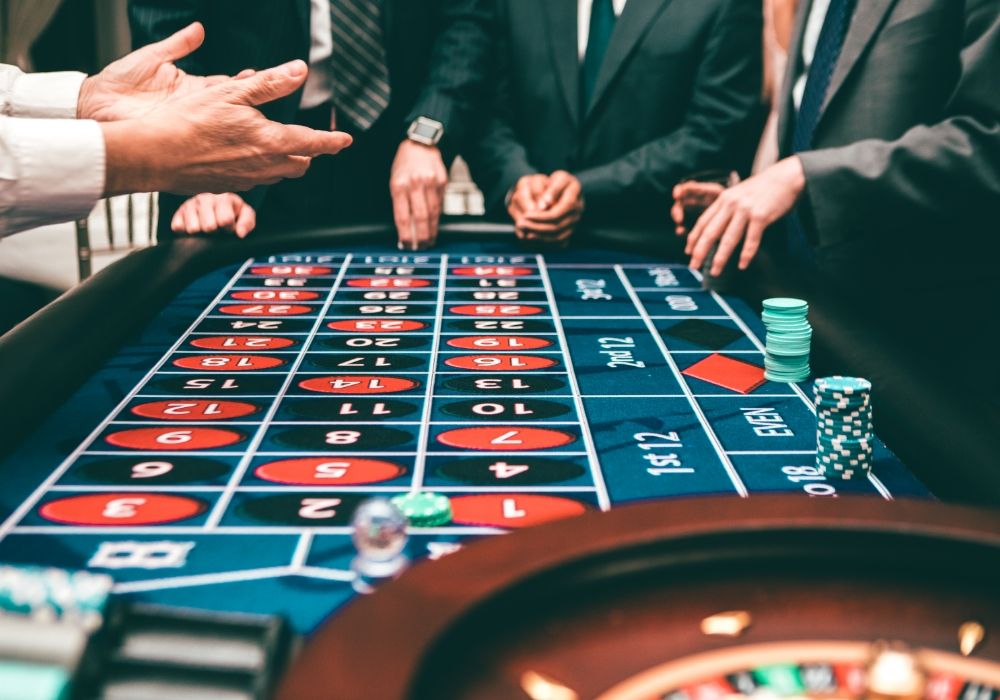
Conversely, acknowledging the importance of skill can empower players to engage more profoundly with games that require strategic thinking. Players who invest time in learning the nuances of a game often derive a greater sense of satisfaction from their efforts. This investment of time and energy can foster a positive feedback loop—whereby skill improvement leads to increased confidence, enhancing the overall gaming experience and potentially providing a more favorable return on investment over time.
A healthy mindset towards gambling balances these psychological elements. Players who understand the randomness of luck in games while appreciating the skill it takes to be successful in strategic games can create a more enjoyable and responsible gambling experience. Being aware of one’s limitations and strengths can ultimately lead to better decision-making and a healthier relationship with gaming overall, fostering a culture where enjoyment trumps mere pursuit of luck.
Exploring the Casino Environment
The casino environment plays a vital role in shaping the experience of both luck and skill. It is designed to be stimulating, encouraging players to engage in games of chance and strategy alike. The vibrant atmosphere, complete with flashing lights and sounds, creates an exhilarating backdrop for the experiences players encounter. This lively setting can amplify the feelings of luck, as players become swept up in the excitement of the moment, often leading to impulsive decisions driven by emotion rather than strategy.
Furthermore, casinos often employ techniques to enhance the allure of luck. The placement of games, the use of promotions, and the creation of social environments all contribute to the perception of luck being a significant factor. These elements can lead players to play longer or invest more money, even when they are aware of their skill levels. Understanding how the casino environment influences player behavior is crucial for recognizing when luck may be overshadowing the need for strategic thinking.
Ultimately, the casino itself becomes an integral part of the dialogue surrounding luck and skill. Players need to navigate the temptations and influences of their environment while seeking to balance luck with the skillful strategies they develop over time. This journey through the unpredictable landscape of gaming can be both thrilling and challenging, making it essential for players to remain conscious of the forces at play in a casino setting.